

Practical guidance for everyday food and wellbeing
Our Wellness Guides explore practical topics in food, cooking, nutrition and everyday lifestyle.
They are designed to help readers make informed food choices and prepare varied, enjoyable meals with ease.
Building balanced habits
Small, consistent choices can make wellbeing feel more achievable. Our guides share accessible ideas for meal planning, seasonal ingredients, hydration and routines that fit busy schedules. With practical tips rather than strict rules, readers can build habits that support both balance and enjoyment.

Understanding Whole Foods
Learn what whole and minimally processed foods are and how they can be incorporated into everyday meals.
Explore practical ideas for using vegetables, fruits, grains, legumes, nuts, seeds and other ingredients.
Discover simple meal-planning strategies that make it easier to choose nourishing foods throughout the week, from preparing versatile staples in advance to building balanced breakfasts, lunches and dinners with ingredients you enjoy.
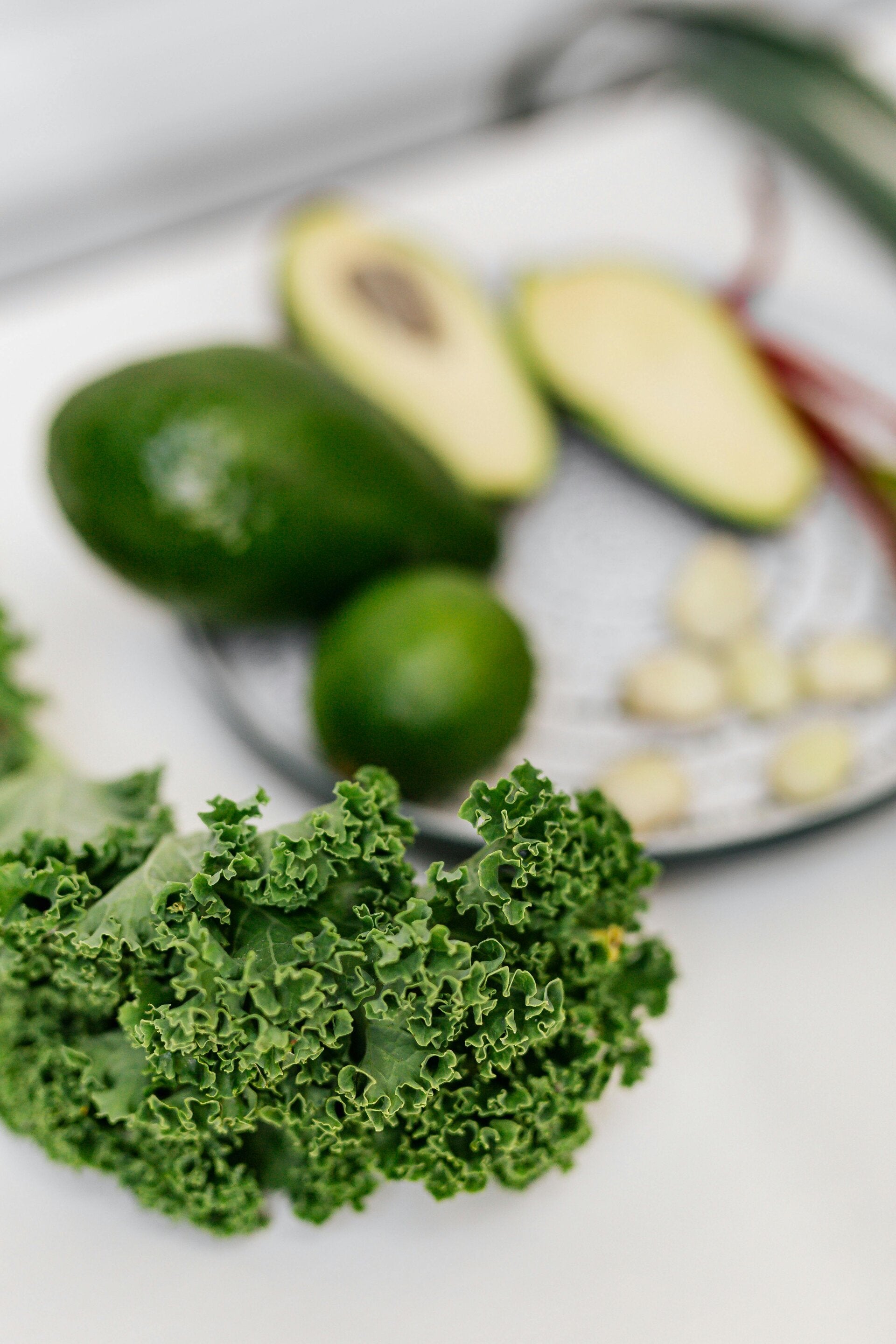
Cooking With Herbs and Spices
Herbs and spices can add flavour, aroma, colour and variety to everyday meals.
Discover practical, simple ways to use ingredients such as turmeric, ginger, garlic, basil, rosemary, cinnamon and other versatile culinary ingredients in your cooking.

Integrate movement into your daily routine
Our wellness content may also cover practical lifestyle topics such as regular movement and everyday activity.
We may also explore the importance of rest, sleep and recovery, including simple ways to build restorative habits into a busy routine. From creating a calming evening routine to recognising when your body needs a break, these topics are designed to support a balanced approach to everyday wellbeing.
These articles provide general information rather than personalised medical or fitness advice.
Our Editorial Approach
We aim to distinguish between established nutritional information, emerging research and claims that are not sufficiently supported by evidence.
We do not promote individual foods or recipes as cures or treatments for medical conditions.
Our content is intended for general educational purposes and should not replace personalised advice from a qualified healthcare professional, particularly if you have a medical condition, dietary restriction or concerns about your health.
Where appropriate, articles may include references to reputable scientific, government and educational sources.
Source Transparency and Relevance: References should directly support the claims made in each article and give readers clear, accessible routes to further information. We prioritise current, authoritative materials from recognised institutions, peer-reviewed research and subject-matter experts to help ensure our content remains accurate, balanced and useful.