

Natural ingredient spotlight
Understanding everyday
Ingredients
Food can be both enjoyable and nutritious. In this section, we explore commonly used fruits, vegetables, herbs, spices, grains and other ingredients, looking at their nutritional characteristics, culinary uses and what current research tells us.
Our goal is to provide practical food information without presenting individual ingredients as treatments or cures for medical conditions.

Turmeric: A versatile yellow textured spice
Turmeric is a spice commonly used in South Asian, Middle Eastern and other cuisines. It gives food its characteristic golden colour and distinctive flavour.
How can turmeric be used?
Turmeric can be added to:
Curries and stews
Rice and grain dishes
Soups
Roasted vegetables
Sauces and dressings
Smoothies and other drinks
Nutritional and research information
Turmeric contains naturally occurring compounds known as curcuminoids. These compounds have been studied in scientific research for their potential biological effects.
Research findings can be complex, and evidence concerning specific health outcomes varies. Culinary use of turmeric should therefore be viewed primarily as part of normal food preparation rather than as a medical treatment.
Try it in your cooking
Add a small amount of turmeric to a vegetable curry, lentil dish, rice recipe or homemade dressing.

Ginger is a widely used culinary ingredient with a distinctive warm and slightly spicy flavour.
Culinary uses
Fresh or dried ginger can be used in:
- Stir-fries
- Soups
- Curries
- Marinades
- Dressings
- Smoothies
- Baked recipes
- Homemade drinks
What makes ginger interesting?
Ginger contains naturally occurring compounds that have been studied in scientific research.
However, research into specific health outcomes should not be interpreted as a guarantee that consuming ginger will produce a particular medical result.
Try it in your cooking
Freshly grated ginger can add flavour to vegetable dishes, soups, sauces and marinades.
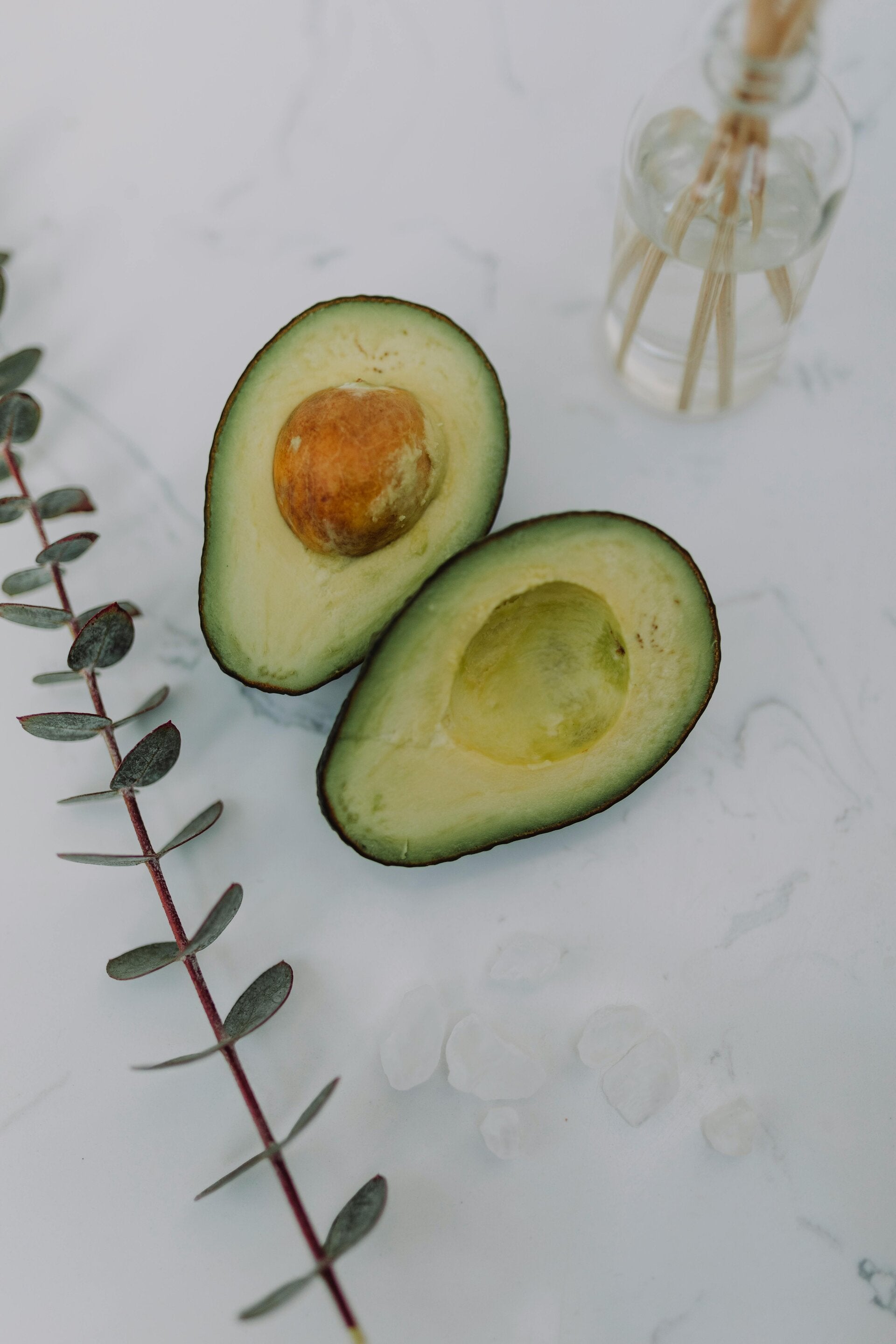
Avocado: A versatile fruit
Avocado is a fruit with a creamy texture that is commonly used in salads, sandwiches, spreads, wraps and other dishes.
Avocado provides fat, fibre and a variety of nutrients. Its texture makes it a versatile ingredient that can add richness and variety to meals.
How can avocado be used?
Try avocado in salads, sandwiches, toast, grain bowls, dips and wraps.
Individual dietary needs vary, so avocado should simply be considered as one ingredient within a person's overall eating pattern.
Our approach to ingredient information
Food can contribute important nutrients to the diet, but no single ingredient provides everything a person needs.
We therefore focus on variety, balanced meals and practical cooking rather than promoting individual foods as miracle ingredients or medical remedies.
Where we discuss research, readers should consider the quality and limitations of the available evidence.
For medical or personalized dietary questions, consult an appropriately qualified professional.